
Pelvic Floor Blog.png

What's Normal vs. Not Normal With Your Pelvic Floor

Many women assume that leaking after having a baby, pelvic pressure, or pain with sex are simply part of motherhood. Because pelvic floor health isn’t widely talked about, these symptoms often go ignored for years. In Dr. Kanady's work with women throughout the Chattanooga area, she frequently hears moms say they thought these symptoms were simply something they had to live with.

While many pelvic floor issues are common, they are not something women have to live with. Your body is designed to move, exercise, laugh, sneeze, run, and lift your kids without leaking or pain. When those things start happening, it’s often a sign your pelvic floor could use some support.

Let’s talk about what is normal, what is not normal, and some simple exercises you can start incorporating whether you’re a mom of newborns, toddlers, or teenagers.
What Is Normal vs. Not Normal for Moms

Pelvic floor changes can occur during pregnancy, birth, and even years later as your body experiences stress, exercise, and aging.

What Can Be Normal:

Some changes can be expected as your body adapts:

  • Temporary soreness after birth

  • Feeling your pelvic floor muscles more during exercise

  • Mild pelvic heaviness late in pregnancy

  • Changes in bladder frequency during pregnancy

  • Core weakness early postpartum

  • Needing time to rebuild strength after birth

These symptoms often improve with recovery and proper exercise.

What Is NOT Normal:

Even though these issues are common among moms, they are not things you should have to live with:

  • Leaking urine when coughing, sneezing, laughing, running, or jumping

  • Pain with sex

  • Feeling heaviness or pressure in the vagina

  • Feeling like something is falling out

  • Persistent pelvic pain

  • Difficulty holding gas or stool

  • Pain when inserting tampons

  • Lower back or hip pain that won’t improve

  • Difficulty returning to exercise after having kids

These are signs your pelvic floor may not be functioning optimally and may benefit from pelvic floor therapy.

Let's dive deeper into what this might look like during pregnancy and postpartum.

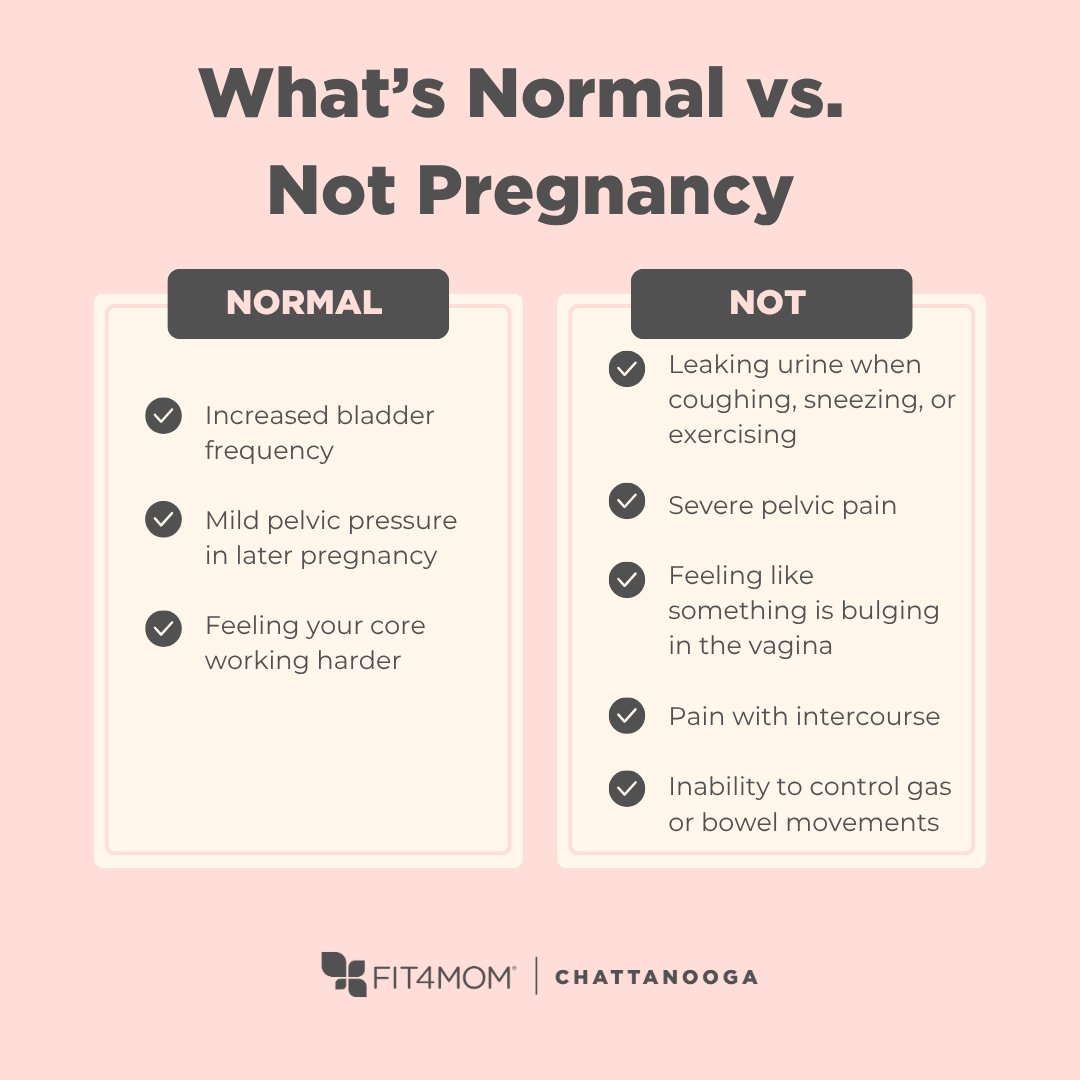
Pregnancy.png

What’s Normal vs. Not Normal During Pregnancy

Pregnancy places increased pressure on the pelvic floor, core, and hips as your baby grows.

What Can Be Normal:

  • Increased bladder frequency

  • Mild pelvic pressure in later pregnancy

  • Feeling your core working harder

What Is NOT Normal:

  • Leaking urine with coughing, sneezing, or exercise

  • Severe pelvic pain

  • Feeling like something is bulging in the vagina

  • Pain with intercourse

  • Inability to control gas or bowel movements

Many of these symptoms can improve significantly with pelvic floor support during pregnancy.

Because of all the changes women experience during pregnancy, Dr. Kanady is always featured as an expert during our FIT4BABY prenatal program. If you're pregnant and would like to ask her all the things, make sure you join us for our next FIT4BABY session!

Learn More about FIT4BABY

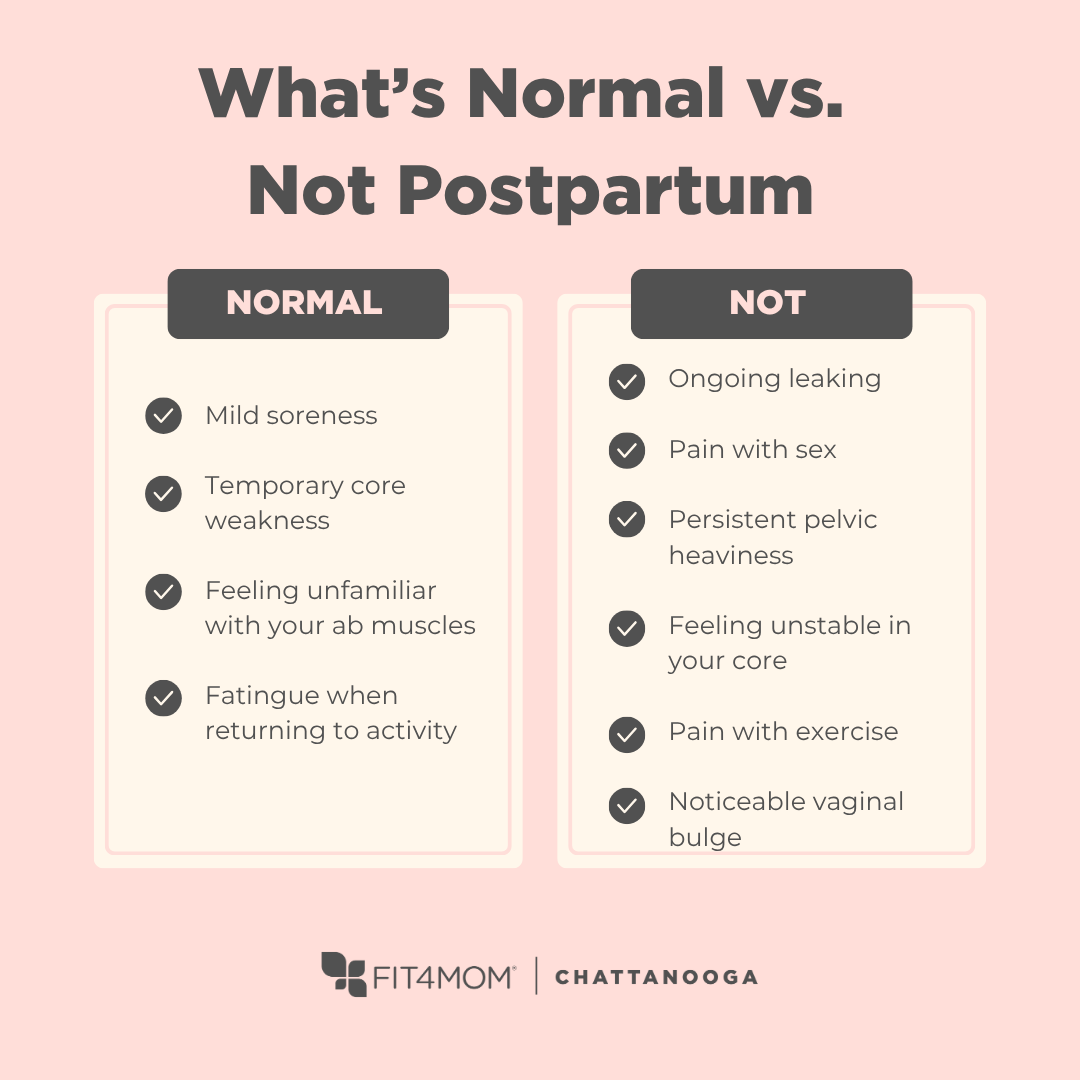
Postpartum.png

What’s Normal vs. Not Normal Postpartum

After birth, your pelvic floor and core are recovering from significant stretching and pressure.

What Can Be Normal:

  • Mild soreness in the first few weeks

  • Temporary core weakness

  • Feeling unfamiliar with your abdominal muscles

  • Fatigue when returning to activity

What Is NOT Normal:

  • Ongoing leaking weeks after birth

  • Pain with sex

  • Persistent pelvic heaviness

  • Feeling unstable in your core

  • Pain with exercise

  • A noticeable vaginal bulge

These symptoms often improve with targeted rehabilitation and guidance.

We know how difficult it can be to squeeze in anything as a mom. That's why Dr. Kanady often visits our classes for free screenings. Plus, if you decide to work with her, she'll actually come to you! Check out our events to see when she's coming to class next.

See Events

Simple Pelvic Floor Exercises for All Moms

These exercises help maintain pelvic floor strength and coordination no matter how long it’s been since you had your baby.

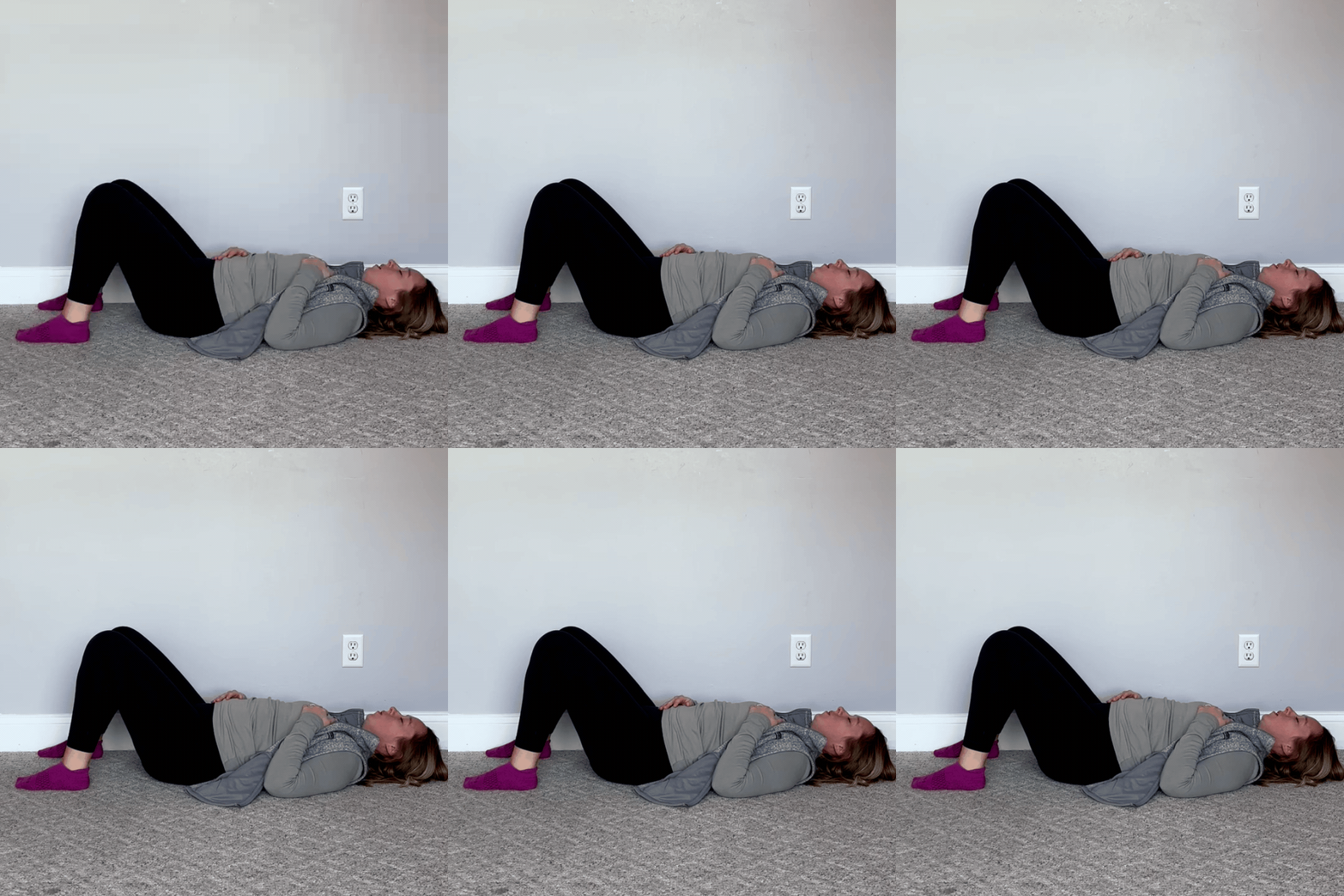
Diaphragmatic Breathing.gif

Diaphragmatic Breathing

Your diaphragm and pelvic floor work together. Here's how to do it:

  1. Sit or lie comfortably.

  2. Inhale through your nose and allow your ribs and belly to expand.

  3. Feel your pelvic floor gently relax.

  4. Exhale slowly and allow the pelvic floor to lift naturally.

  5. Do 5–10 breaths daily.

Squat Breath.gif

Squat with Breath Coordination

Squats help strengthen the legs and support the pelvic floor when paired with proper breathing. Here's how to do it:

  1. Stand with feet about shoulder-width apart.

  2. Inhale as you lower into a squat.

  3. Exhale as you stand up.

  4. Keep your chest tall and weight in your heels.

  5. Repeat 6–8 times for 4 sets.

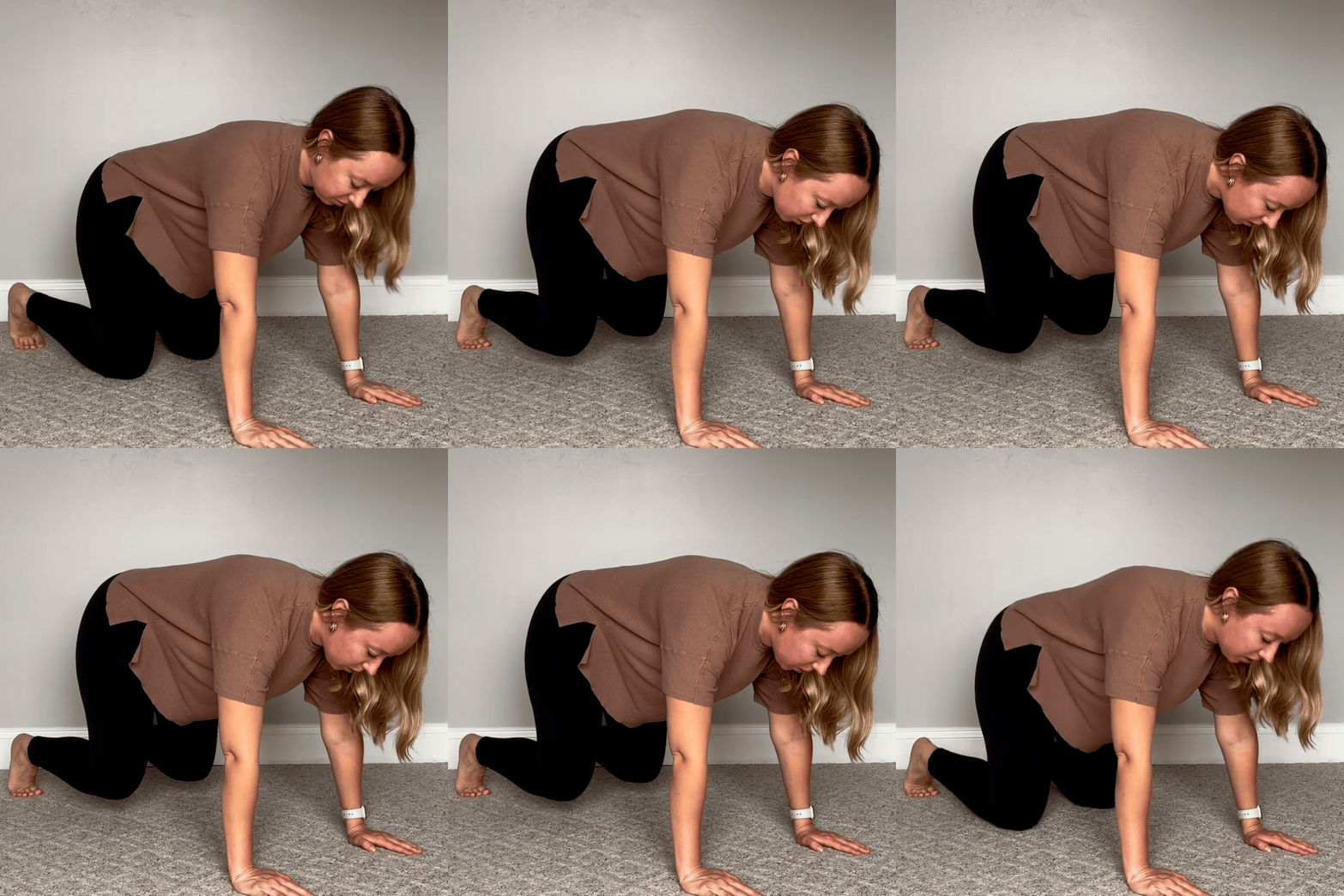
Bear Hold.gif

Low Bear Hold

Here's how to do it:

  1. Start on your hands and knees. Make sure your hands are under your shoulders, knees are under your hips, and you're keeping your back flat.

  2. Take a breath in.

  3. As you breathe out, gently lift your knees 1–2 inches off the ground.

  4. Hold this position, keeping your back flat and neck relaxed while breathing normally.

  5. Hold for 10–30 seconds.

  6. Lower your knees back down and rest.

  7. Repeat 3 times.

A pelvic floor therapist can help tailor exercises to your body and stage of life.

When to Seek Help

If you are experiencing symptoms like leaking, pelvic heaviness, pain with sex, or difficulty returning to exercise, it may be a sign your pelvic floor could benefit from professional support.

Pelvic floor physical therapy can help identify what may be contributing to these symptoms and provide individualized strategies to improve strength, coordination, and pressure management. Pelvic floor therapy is not just about doing Kegels. It focuses on restoring strength, coordination, mobility, and confidence in how your body moves.

Seeking guidance early can often help prevent symptoms from worsening and support a smoother return to the activities you enjoy.

Meet Dr. Kanady

A Final Encouragement

Your body did something incredible. Whether your youngest child is three months old or thirteen years old, it’s never too late to support your pelvic floor and feel stronger in your body again.

With the right guidance and support, many pelvic floor symptoms can improve significantly, helping women return to the activities they love without discomfort or worry.